

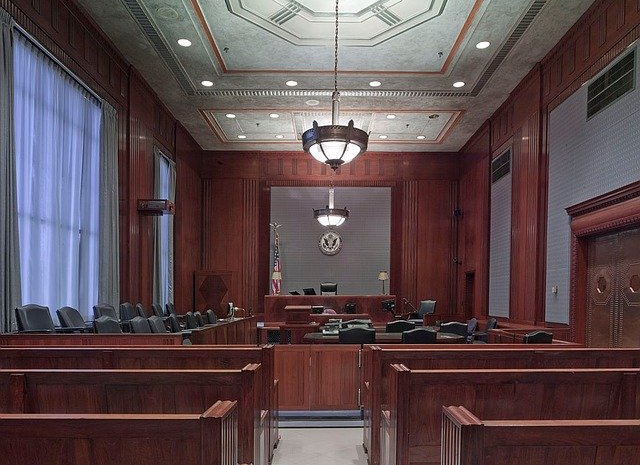
Courts are limited to resolving live controversies. If the underlying issue in a case is no longer active or the dispute has already been resolved, a court may decline to issue a decision. This principle is known as mootness.
Mootness reflects the idea that courts are not meant to decide abstract questions once the practical conflict between the parties has ended.
What Mootness Means in Legal Practice
A case becomes moot when there is no longer an actual dispute requiring resolution. This can happen if the circumstances change in a way that eliminates the claimed harm.
If a court’s decision would no longer affect the rights of the parties, the court may dismiss the case rather than issue a ruling.
Why Courts Require a Live Controversy
Courts exist to resolve real and ongoing disagreements. Deciding cases where no effective relief can be granted would exceed that function.
Requiring a live controversy ensures that judicial decisions are grounded in present consequences rather than theoretical outcomes.
How Changed Circumstances Can End a Case
Events that occur after a lawsuit is filed can sometimes eliminate the need for judicial action. For example, the disputed conduct may stop or the requested relief may already be provided.
When that happens, the court may determine that there is nothing left to decide.
The Role of Effective Relief
A key question in mootness analysis is whether the court can still provide meaningful relief. If a ruling would not change the legal position of either party, the case may be dismissed.
Courts avoid issuing opinions that do not have a practical impact on the dispute.
Exceptions That Allow a Case to Continue
In limited situations, courts may hear a case even if it appears moot. This can occur when the issue is capable of repeating yet evading review.
These exceptions are narrow and reflect specific concerns about fairness and recurring disputes.
Why Mootness Is a Threshold Doctrine
Mootness operates as a gatekeeping principle. It prevents courts from deciding cases that no longer present a real conflict.
Understanding mootness helps explain why some lawsuits end even after substantial litigation has occurred.


