

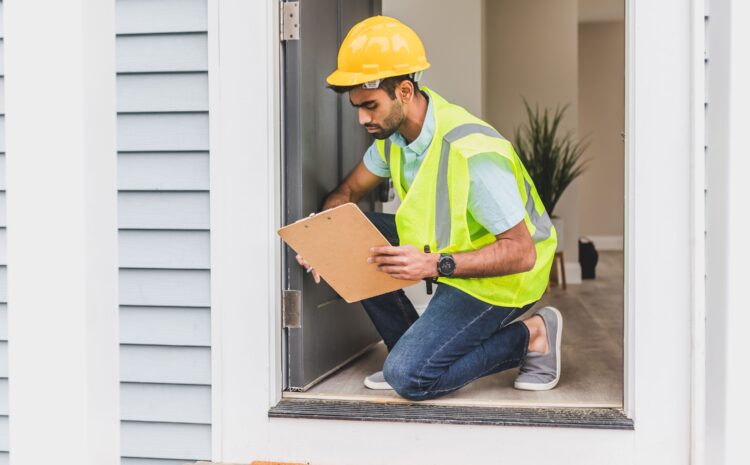
Discovery allows parties to gather information that may be relevant to the claims and defenses involved in a civil lawsuit. While discovery often involves exchanging documents, answering written questions, or taking depositions, it may also include requests to inspect property when doing so could provide relevant evidence.
Courts carefully evaluate these requests to ensure they are appropriate under the circumstances. Before permitting an inspection, judges consider whether the request is relevant to the issues in the case and whether the proposed inspection is reasonable in light of the needs of the litigation.
What a Property Inspection Involves
A property inspection during discovery allows a party to examine land, buildings, vehicles, equipment, or other physical items that may contain relevant evidence. Depending on the nature of the dispute, the inspection may include observing the property, taking photographs, making measurements, or documenting its condition.
Because these inspections involve access to another party’s property, courts expect discovery requests to be specific and reasonably tailored to the issues being litigated. The purpose is to obtain relevant information while avoiding unnecessary intrusion or disruption.
Why a Party May Request an Inspection
A party may request to inspect property when a physical examination could help clarify disputed facts or provide evidence that cannot be obtained through documents or testimony alone. In some cases, the condition or characteristics of the property may play an important role in resolving the issues before the court.
These requests are intended to promote a more complete understanding of the facts rather than provide one party with an unfair advantage. Courts evaluate whether the requested inspection is reasonably related to the claims and defenses involved in the litigation.
How Courts Evaluate Inspection Requests
When deciding whether to permit an inspection, courts consider the relevance of the requested examination along with its scope and practical impact. Judges evaluate whether the inspection is likely to produce useful information and whether the request is proportional to the needs of the case.
Courts also consider whether reasonable limitations should be placed on the inspection to protect property rights and minimize unnecessary burdens. The goal is to balance meaningful discovery with fairness to everyone involved in the litigation.
Balancing Discovery With Property Interests
Although discovery is intended to encourage the exchange of relevant information, it is not without limits. Courts recognize that allowing access to property may affect privacy, business operations, or other legitimate interests that deserve protection.
For that reason, judges often tailor inspection orders to the particular circumstances of the case. Limiting the time, location, method, or scope of an inspection can help ensure that discovery proceeds efficiently while respecting competing interests.
Judicial Discretion During Discovery
Requests to inspect property are generally resolved through judicial discretion. Rather than applying a single rule in every case, courts evaluate the facts presented and determine whether permitting the inspection is appropriate under the specific circumstances.
This flexible approach allows judges to manage discovery in a manner that promotes fairness, encourages the exchange of relevant evidence, and supports the efficient resolution of civil disputes.
Understanding Property Inspections During Discovery
Property inspections illustrate how discovery extends beyond documents and witness testimony when physical evidence may be important to a case. Courts carefully evaluate these requests to ensure they are both relevant and reasonable before authorizing access to the property.
Understanding when courts permit inspection of property during discovery provides valuable insight into how judges balance the need for evidence with fairness, efficiency, and the orderly administration of civil litigation.


