

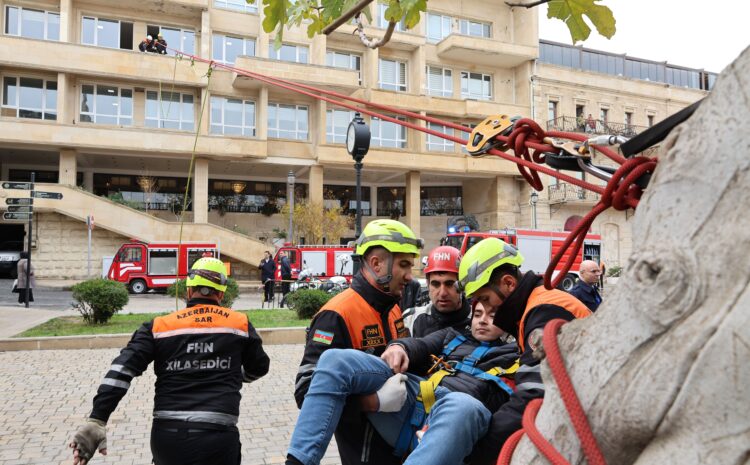
Emergency situations sometimes place individuals in danger when they attempt to help someone facing an immediate threat. When a rescuer is injured, questions may arise about whether the person responsible for creating the original danger can also be held legally responsible for the rescuer’s injuries.
California courts recognize the rescue doctrine as part of negligence law. The doctrine addresses circumstances in which a person’s negligent conduct creates a danger that prompts another individual to attempt a rescue, resulting in additional injuries.
What the Rescue Doctrine Means in Civil Litigation
The rescue doctrine recognizes that danger can reasonably encourage people to intervene on behalf of others. When someone’s negligence creates a hazardous situation, an injured rescuer may be able to pursue compensation from the party responsible for the original danger.
The doctrine reflects the principle that rescue attempts can be a foreseeable response to emergencies. Rather than treating the rescuer’s intervention as an entirely separate event, courts examine whether the rescue and resulting injury were sufficiently connected to the defendant’s conduct.
How Courts Determine Whether Negligence Created Danger
Courts first examine whether the defendant’s conduct involved negligence that created or contributed to a dangerous situation. Establishing negligence generally requires showing that the defendant owed a duty of care, breached that duty, and caused legally recognized harm.
Evidence may include witness testimony, photographs, accident reports, and other documentation describing how the emergency developed. The court evaluates whether the defendant’s actions created the circumstances that prompted the rescue attempt.
Why the Rescuer’s Actions Matter
Not every injury sustained while helping another person automatically falls within the rescue doctrine. Courts consider whether the rescuer reasonably believed someone faced danger and whether the attempted intervention was connected to that perceived emergency.
A rescue attempt does not necessarily need to succeed for the doctrine to apply. However, the circumstances surrounding the intervention, including the nature of the danger and the rescuer’s conduct, can influence the court’s evaluation.
How Courts Evaluate Foreseeability and Causation
Foreseeability plays an important role in determining whether a defendant may be responsible for injuries sustained during a rescue. Courts consider whether an attempt to help someone in danger was a reasonably predictable response to the defendant’s conduct.
Causation must also be established. The injured rescuer generally must demonstrate a sufficient connection between the defendant’s negligence, the resulting emergency, and the injuries sustained during the attempted rescue.
When a Rescue Attempt May Affect Liability
California courts may examine whether the rescuer acted with reasonable care under the emergency circumstances. The urgency of the situation can affect how the rescuer’s decisions are evaluated, particularly when there was little time to consider alternative responses.
The rescue doctrine does not provide unlimited protection for every action taken during an emergency. Conduct that is rash or reckless under the circumstances may affect the rescuer’s ability to recover damages, and California’s comparative fault principles may also become relevant.
How Courts Resolve Rescue Doctrine Claims
When a rescue doctrine claim arises, courts evaluate the evidence concerning the original negligence, the emergency, the attempted rescue, and the resulting injuries. The analysis may involve disputed testimony about how quickly events occurred and whether the rescuer’s response was reasonable.
If the legal requirements are satisfied, the defendant may be held responsible for injuries resulting from the rescue attempt. The amount of recoverable damages depends on the evidence of harm and any applicable limitations or allocation of fault.


