Proper legal notice is a foundational requirement in civil litigation. If a party is not properly notified about a lawsuit, the court may not be permitted to move forward. When notice is defective or incomplete, it can delay proceedings, invalidate…



Proper legal notice is a foundational requirement in civil litigation. If a party is not properly notified about a lawsuit, the court may not be permitted to move forward. When notice is defective or incomplete, it can delay proceedings, invalidate…

Once a court issues a final judgment, the dispute does not remain open indefinitely. The legal system places limits on when the same matter can be brought before the court again. These limits protect the finality of decisions and prevent…
Statutes are written to apply broadly, but not every situation fits neatly within their language. When a statute is ambiguous, courts must determine what the legislature intended and how the law should apply to the dispute before them. This process…

Many people assume legal outcomes depend mainly on what a person intended to do. While intent can matter in some contexts, the law often looks first at whether a party had the legal ability to act at all. Legal capacity…

Many people assume legal risk begins only when a disagreement surfaces or a lawsuit is filed. In reality, legal risk often exists long before any conflict becomes visible. Actions, relationships, and decisions can quietly create exposure even when everyone believes…
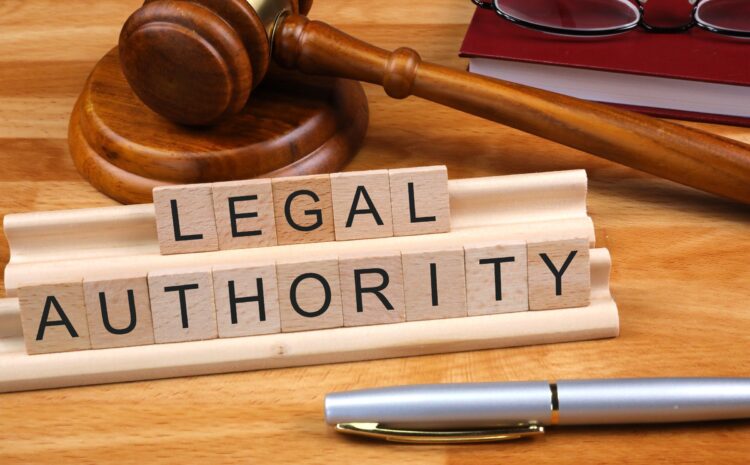
Courts do not have unlimited power to resolve disputes or correct perceived unfairness. Their ability to act is constrained by legal authority, which defines when intervention is permitted and when it is not. Without legal authority, courts are required to…

People often use familiar phrases in conversations, emails, or informal agreements without considering their legal impact. In everyday life, these expressions may seem harmless or imprecise. In legal settings, however, certain phrases can signal intent, agreement, or commitment in ways…

People often assume that if information feels important or explains what happened, it should matter in a legal dispute. In practice, the law does not treat all information as visible or usable. Understanding what the law considers legally invisible helps…
People often describe legal outcomes as unfair when they do not align with personal expectations or moral judgments. While fairness is an important social concept, the legal system operates under defined rules and standards that do not always mirror individual…

Many people associate litigation with courtroom appearances and trial dates. In reality, the effects of a lawsuit often begin long before a case reaches trial. Daily routines can be disrupted early in the process as legal obligations, deadlines, and ongoing…


