Losing money can feel like clear proof that something went wrong. From missed business opportunities to failed investments or broken agreements, financial loss often drives people to court. But in civil litigation, financial loss alone is not enough. Courts require…
People involved in litigation often experience their case as a collection of wrongs, frustrations, and ongoing conflicts. Courts approach cases very differently. Judges are tasked with narrowing disputes to specific legal issues that can be resolved under the law, not…
In civil litigation, having compelling facts does not automatically mean a case will succeed. Courts evaluate both the factual record and the legal framework to determine whether a claim can survive and ultimately prevail. Strong Facts Do Not Replace Legal…
A compelling story can feel persuasive, especially when the facts seem unfair or emotionally charged. Many people enter the legal system believing that if they clearly explain what happened, the court will reach the same conclusion they did. In reality,…
Court cases move forward on schedules set by law and court rules. When one party fails to respond to filings, the court does not pause indefinitely. Silence and inaction often trigger specific procedural consequences that can shape the outcome of…
Disputes between family members sometimes extend beyond family court and into civil court. When this happens, parties may find themselves involved in multiple legal proceedings at the same time, each governed by different rules and limits. Understanding how courts handle…
Judges play an active role in managing court proceedings, but their authority has clear boundaries. One of the most misunderstood limits is a judge’s inability to give legal advice to the parties involved. Understanding why this restriction exists helps explain…
What happens inside the courtroom goes beyond legal arguments and evidence. Judges observe behavior closely, and courtroom conduct can influence how a case is perceived. Professionalism, preparation, and respect often shape credibility long before a ruling is issued. Judges Notice…
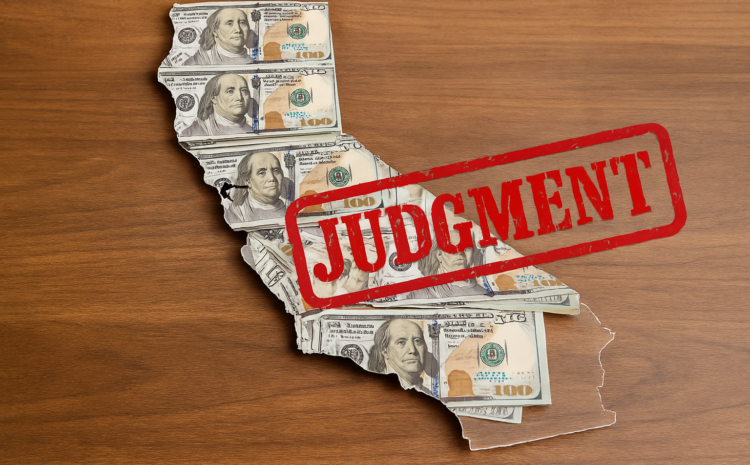
Winning a court case is only the first step. A judgment does not automatically result in payment. In California, the party who obtained the judgment is responsible for taking action to collect what the court awarded. Judgment enforcement involves using…
Text messages, emails, and screenshots are some of the most commonly used forms of digital evidence in modern litigation. Courts see these materials in civil disputes, family law cases, business conflicts, and harassment matters on a daily basis. While they…